Subject overview

Computer Science is taught as a serious academic discipline — not simply “learning to code”. Students develop deep understanding of how computational solutions are designed, built, tested, and evaluated.

What students gain
  • Computational thinking
    Breaking down problems, designing solutions, and evaluating outcomes.
  • Programming fluency
    Writing, testing, and refining code in a structured, methodical way.
  • Systems understanding
    How hardware, software, and data interact to produce reliable systems.

How Computer Science is taught at ETSS Wicklow

Teaching prioritises clarity, precision, and structured thinking. Students learn to solve problems systematically — from understanding a problem, to designing an algorithm, to implementing and testing a working solution.

In the classroom
  • Algorithmic thinking through decomposition, pattern recognition, and step-by-step solution design.
  • Programming practice with regular coding tasks, debugging, and refinement of solutions.
  • Project development where students plan, build, test, and evaluate larger pieces of work.
How students improve

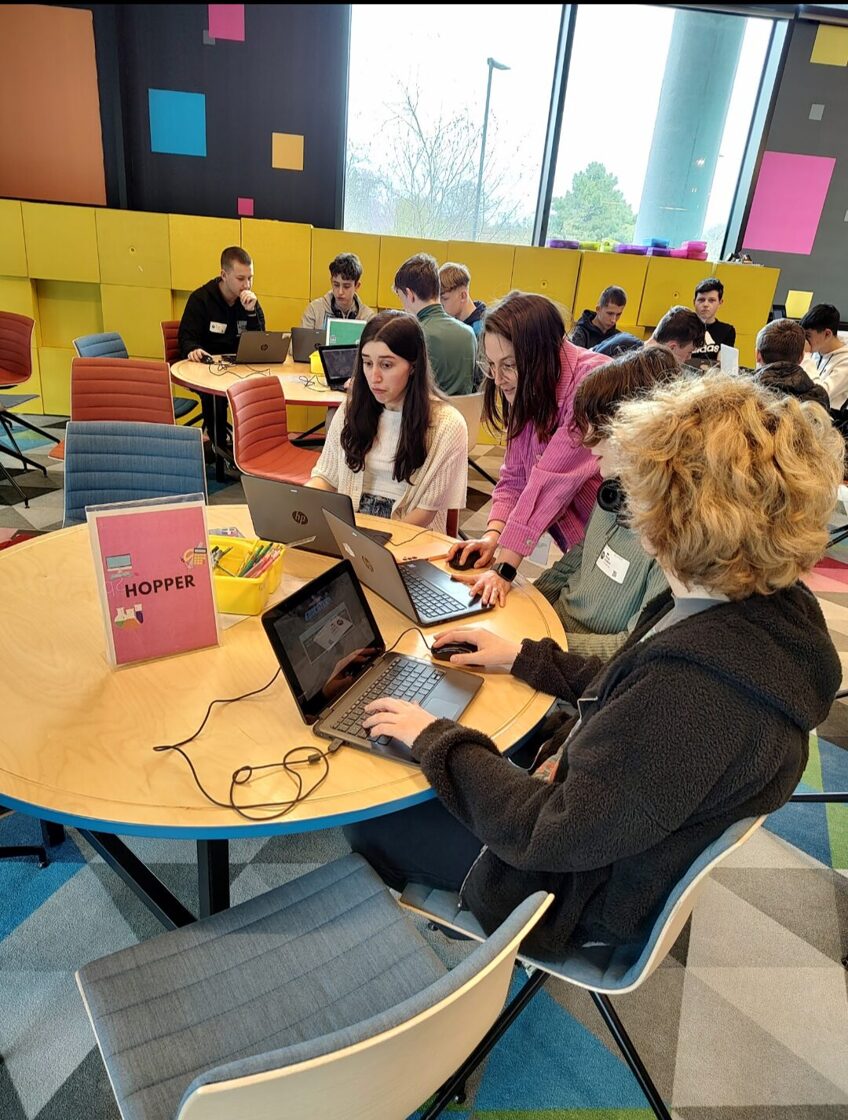
Students improve through iteration: writing code, testing it, identifying errors, and refining their approach. Explicit teaching of problem-solving strategies and careful feedback helps students build confidence and independence.

Collaboration is also important — students learn to explain technical ideas, review solutions, and communicate clearly about their reasoning.

Academic foundations of the subject

Computer Science builds understanding of both how programs are written and why they work. Students engage with core ideas that underpin modern computing and digital systems.

Algorithms

Designing clear procedures for solving problems, then analysing effectiveness and reliability.

Data

Understanding how information is represented, stored, and processed — and how choices affect performance and accuracy.

Systems & impact

How hardware and software interact, alongside ethical and societal considerations of computing.

Key principles emphasised in teaching
  • Precision and clarity — writing solutions that are readable, reliable, and well-structured.
  • Testing and validation — proving that a solution works across cases, not just once.
  • Reflection and improvement — evaluating outcomes and iterating to improve quality.

Coding culture, enrichment & achievements

Alongside classroom learning, students engage in meaningful challenges and competitions that strengthen resilience, creativity, and independent problem-solving — all central to success in Computer Science.

Astro Pi (Mission Space Lab)

ETSS Wicklow students have successfully completed the Astro Pi competition on multiple occasions. Astro Pi is a European space education challenge in which students write programs that run on Raspberry Pi computers aboard the International Space Station.

  • Define a question and design an investigation.
  • Write, test, and refine code before submission.
  • Analyse real data returned from the ISS.
Screenshot_20260110-173013.jpg
EU Code Week (recognition)

The school has been recognised through EU Code Week, including 1st place recognition for hosting several live coding activities. EU Code Week is a Europe-wide initiative that promotes coding, computational thinking, and digital creativity through events and learning activities.

  • Inclusive participation across year groups.
  • Live coding sessions and collaborative challenges.
  • Building a visible culture of digital skills in the school.
Screenshot_20260110-171759.jpg
Capture The Flag (CTF) competitions

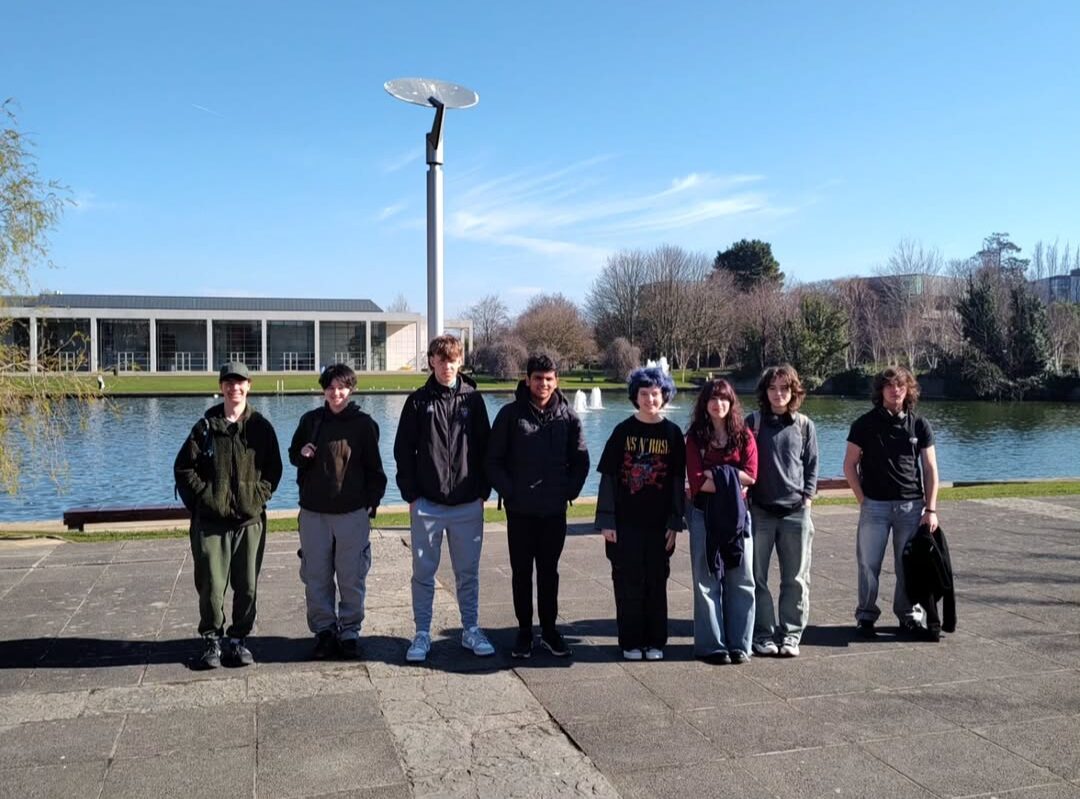
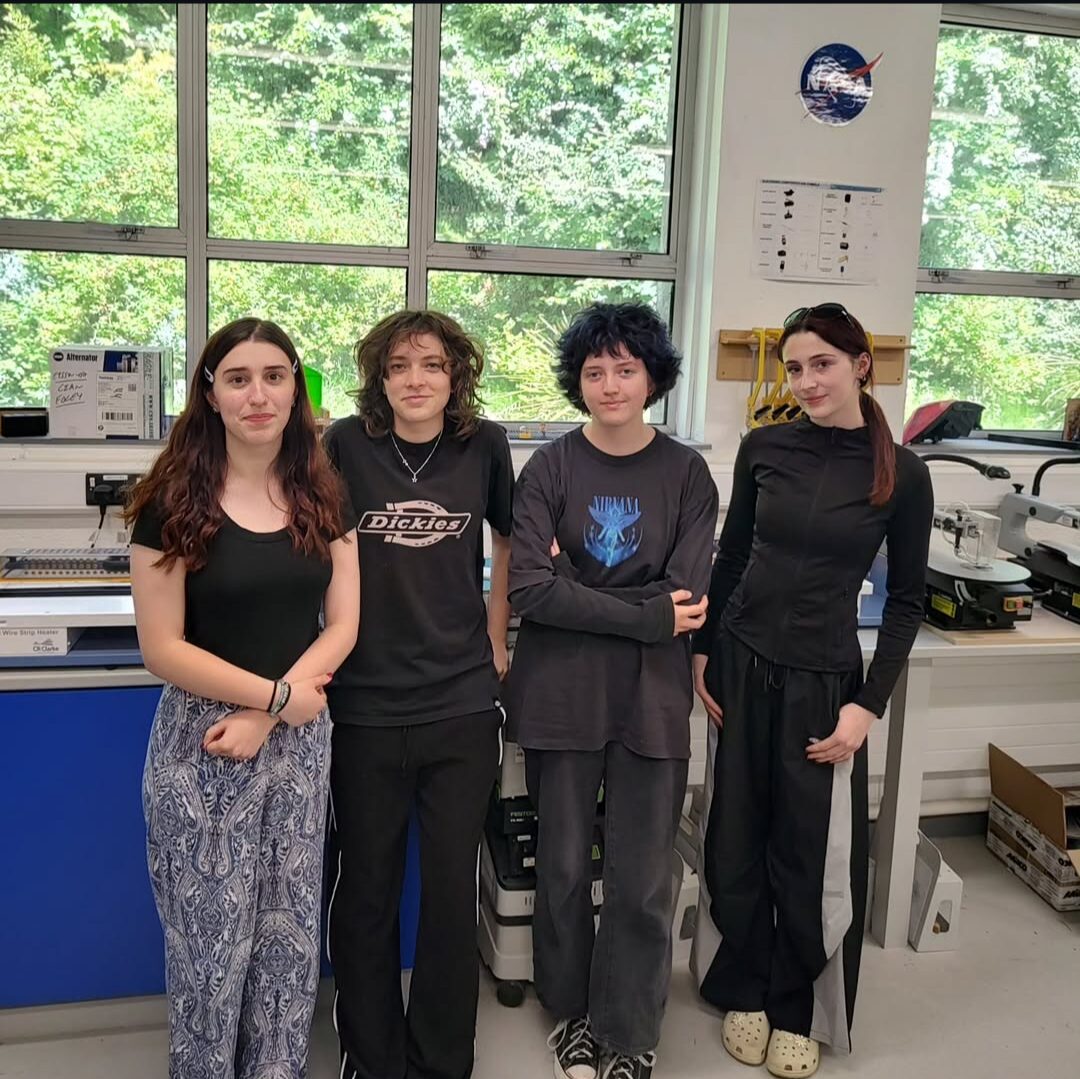
Students also extend their learning through cybersecurity and problem-solving competitions such as Capture The Flag (CTF) events, including participation in competitions hosted in University College Dublin. CTF challenges involve solving technical puzzles to uncover hidden “flags”, encouraging logical reasoning, persistence, and creative thinking.

Screenshot_20260110-172009.jpg

Skills & pathways

Leaving Certificate Computer Science supports progression into a wide range of further study and careers, while also developing transferable skills valued across all fields.

Computational Thinking

Logical reasoning, structured problem-solving, and the ability to work through complex tasks systematically.

Resilience

Debugging, persistence, and confidence in improving work through feedback and iteration.

Future pathways

Strong preparation for computing, engineering, data science, software development, cybersecurity, and digital innovation.

Want to learn more about Leaving Certificate Computer Science?

If you have questions about the subject, the coding club, competitions, or how Computer Science supports future pathways, please get in touch with the school.

Contact the school